
Echoes of heritage across the adriatic
solta story
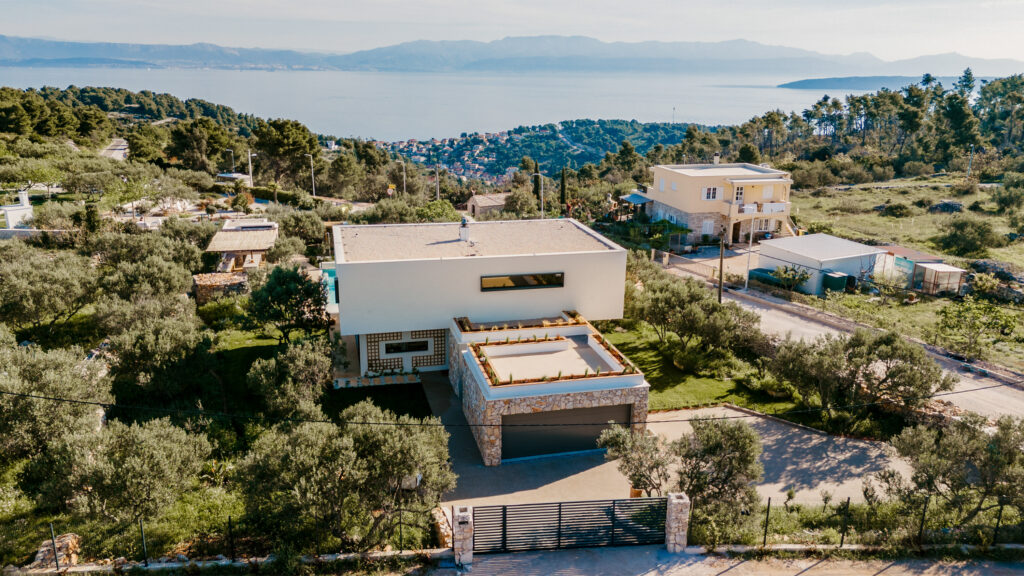
Solta emerges from the Adriatic Sea with a luminous calm, a presence both gentle and enduring. The island exudes the warmth of Croatia through its sunlit stone paths, secluded bays, and landscapes shaped by centuries of olive groves, fig gardens, and the measured rhythm of island life. Light falls across coves and cliffs in soft silver and gold, revealing corners where every stone and tree seems to carry memory and intention. The island feels suspended in a serene equilibrium, a place where past and present flow together like a quiet current, guiding the visitor with subtle grace and a profound sense of continuity.
The earliest chapters of Solta’s story are traced by the Illyrians, who found refuge among its sheltered shores. Their legends speak of Queen Teuta, a figure of resilience and determination, standing above the sea, her gaze carried by wind and water, a symbol of inner strength that continues to linger in the island’s spirit. Following them were the Greeks, who named the island Olyntha in homage to the fig trees that flourished across its slopes. Centuries later, the Romans arrived, calling it Solenta, inspired by the sunlit fields and the salt-laden breezes drifting from the sea. The remnants of their villae rusticae, still resting quietly near Donje Selo, Gornje Selo, Rogač, and Nečujam, whisper of an agrarian life attuned to both earth and water, of labor and abundance shaped by the island’s rhythms. Each ruin, each fragment of stone, is a testament to a life that moved in harmony with nature, enduring and resilient.
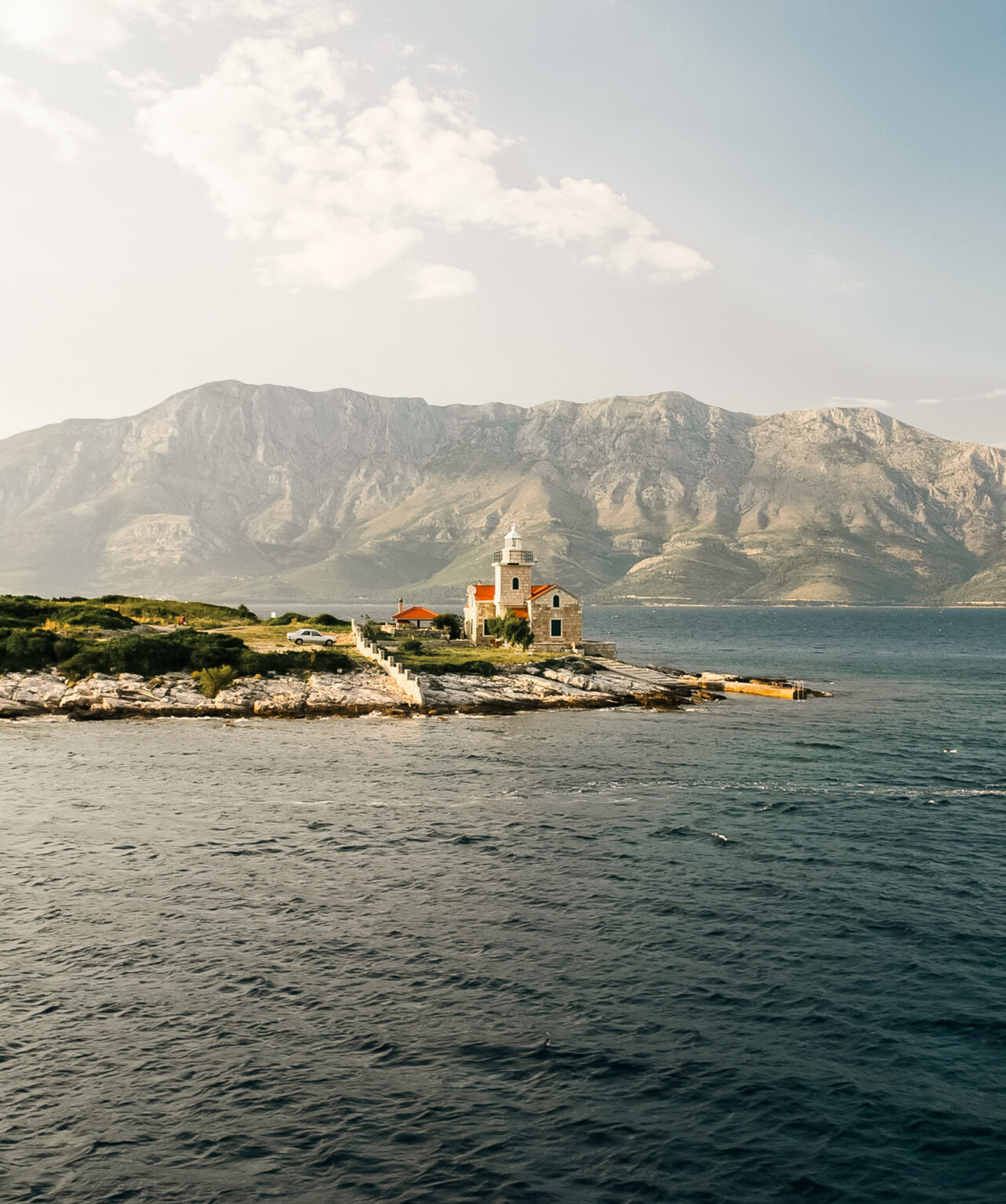
Time unfolded upon Solta with a quiet resilience, layering each era with its own subtle imprint. Christianity brought new symbols, marked by basilicas, sarcophagi, and sacred carvings near Grohote, which continue to hold a spiritual presence that feels anchored in the island’s enduring silence.
During the Middle Ages, Solta’s villages grew through the labor of farmers, merchants, and seafarers. Stomorska became a haven for navigators tracing routes across the Adriatic, carrying with them the character and quiet determination of the island. Venetian influence later manifested in fortified towers, elegant in their simplicity, standing as silent witnesses over hillsides of olive groves and vineyards.
Through centuries of change, olives, vines, and figs remained central to life, shaping not only sustenance but a sense of continuity and rootedness that survives today through tradition, taste, and the enduring rhythms of daily life.
In the present day, Solta lives in a harmony that feels timeless. Villages such as Maslinica and Grohote reveal the elegance of stone architecture sculpted by light and shadow, their forms quiet yet expressive. The island’s twenty-four bays open into waters that shift from deep emerald to crystalline turquoise, their edges soft and inviting.
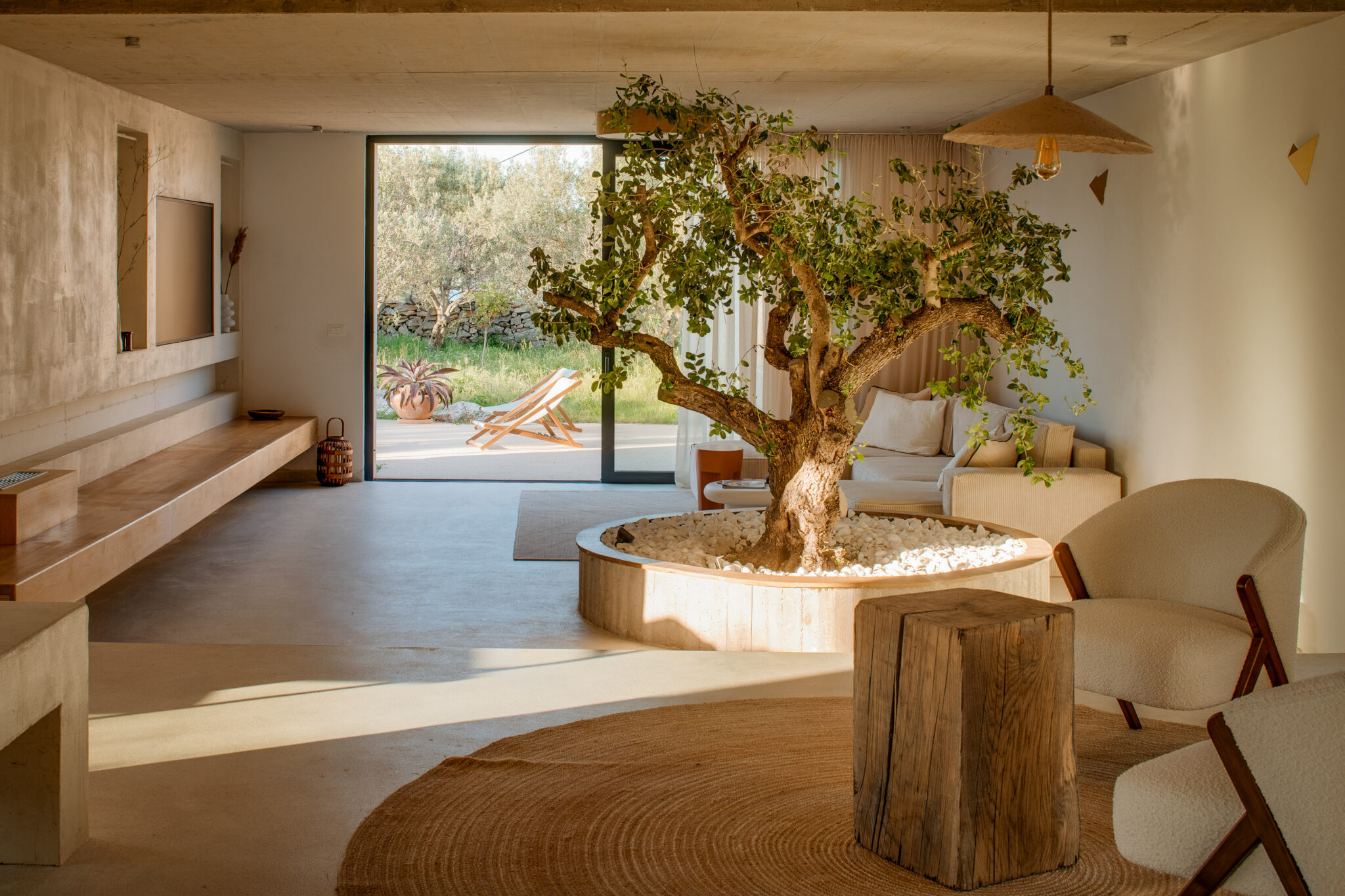
Dobričić wine, golden olive oil, and honey scented with wild rosemary convey a connection to craft and land that transcends time. Every meal, every local creation feels authentic, generous, and fully rooted in the spirit of Croatia, a reflection of care, attention, and enduring heritage. Here, the senses are gently awakened, yet never hurried; each sight, scent, and taste carries the imprint of centuries and the subtle poetry of place.
At Noam Solta, this heritage is transformed into an intimate journey, a living narrative that invites discovery at a pace that mirrors the island itself. Each stay is imagined as a dialogue with the rhythms of Solta, offering encounters with master artisans, moments of contemplation in hidden bays, and gentle walks through ancient olive groves where the fragrance of earth, stone, and sea merge in delicate harmony. The Adriatic, ever-present and luminous, becomes an open path toward understanding, reflection, and quiet wonder. Hospitality here is elevated to an art form, refined and precise, yet deeply human. Shaped by sincerity, attentiveness, and the subtle beauty of absence and presence.
Every experience at Noam Solta is curated with intention, designed to reveal the island not only through its landscapes or its culture, but through its deeper emotional resonance. Guests may linger by a sun-warmed terrace, observing the light shifting over the sea, or move along stone paths where the past seems to breathe beneath their steps. They may taste the first olives of the season, press their fingers to the textures of ancient walls, or listen to the song of cicadas as it rises from the hills. Each gesture, each encounter, is offered with quiet elegance, inviting a profound sense of belonging and connection.
Solta, in its essence, is a place where time softens, where history is not simply remembered but lived. Here, the echoes of heritage carry through the Adriatic breeze, the gentle rhythm of waves, and the enduring presence of stone and olive. At Noam, one experiences this rhythm fully, immersed in an intimacy shaped by place, history, and emotion. The island’s beauty unfolds not in spectacle, but in quiet depth, in the feeling of being attuned to the subtle cadences of life, where every moment becomes a meditation on the harmony between nature, craft, and human presence. In this way, the soul of Solta becomes accessible, a whisper of continuity, a testament to a heritage that endures in elegance, serenity, and the profound grace of the Adriatic.